Home / Industries / Oil & Gas

Oil and Natural Gas

Operations and process-safety OT across the hydrocarbon chain.

Exploration, drilling, production, refining, and pipelines. The team works on the live plant, with operations in the room, and writes the findings in operations and process-safety terms.

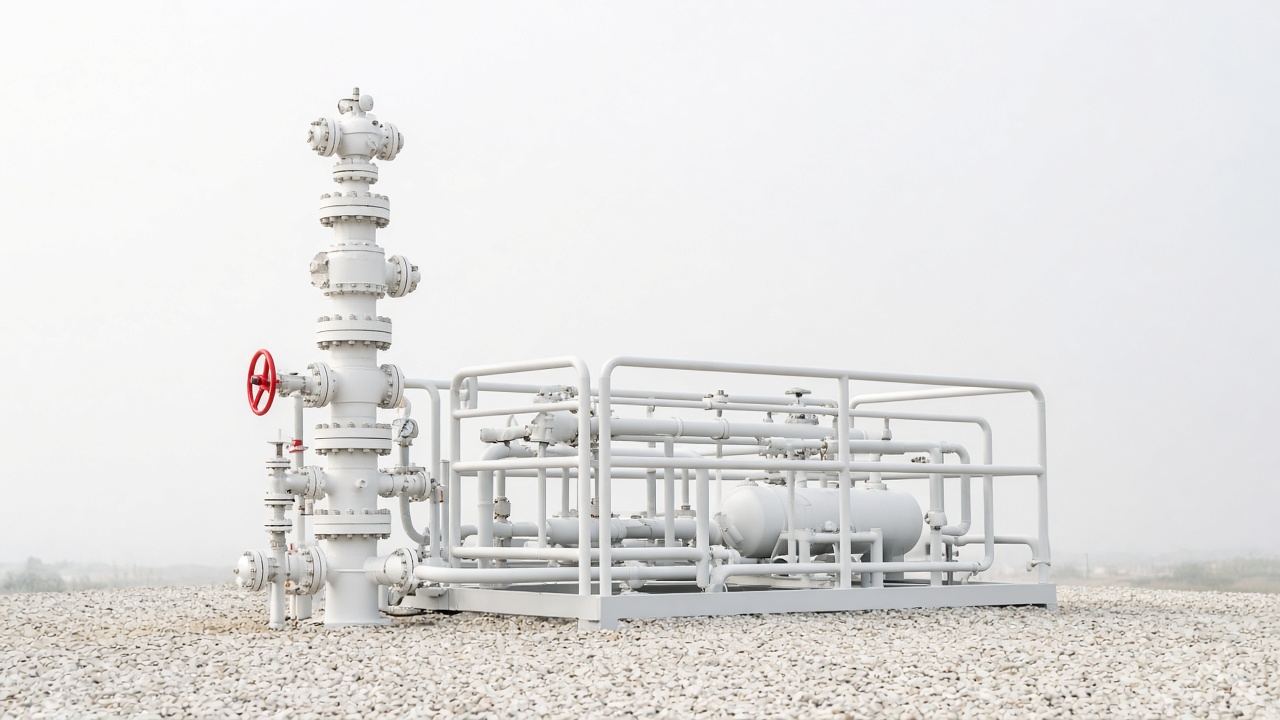
Wellhead and production piping on a gravel pad

1 · Exploration

Exploration networks are built to be reached. The same remote path that lets a technician clear an alarm overnight is an always-on door into wellsite RTUs and SCADA. The team looks at that path on the live network, with operations in the room, and design remote access that still works for the field.

2 · Drilling

A drilling rig is a plant that moves, and the control system has to stay live. The team walks the rig with operations, stay passive on the control network, and write the immediate need in drilling terms.

3 · Production

Platforms, onshore fields, gathering, and gas plants. The team picks field sites that have some variation on implementation. One primary control location plus a sample of stations tells you more than a questionnaire about every pad. Passive on live plants. Active work only on a staging system operations names.

4 · Refining

A live DCS plant, where the board cares about the turnaround calendar and whether automated operations will still be running on Monday. Continuity and process safety come first.

5 · Pipelines

A control room that stretches across states, plus field sites sampled for variation, pipeline stations included. Scope is the perimeter as it touches other business, IT, or third-party networks, all the way down to the field devices. Level 3.5 and down. Only OT, not IT.

TSA pipeline security directives

Pipeline operators under the TSA Pipeline Security Directives need their OT architecture reviewed. Red Tiger does this work with its partner UTSI as a Validated Architecture Design Review (VADR): offsite document review, remote interviews, one onsite visit at a primary control location, a sample of field sites chosen for variation, and written VADR reports. A minimal option covers only what the directives require. A comprehensive option covers the full scope. Either way the team pushes to keep passive collection in scope, because interview answers on controls are often not in alignment with real-world conditions.

After the assessment

Assess, fix the immediate need, then stay if you want the team there. After the assessment or VADR, the team can build a roadmap, write the policy set, and fix the gaps it found. The close is 24x7 MSP + Metrics and Reports. Crew training with virtual labs is through CambiOS Academy.

Pipelines are also part of the transportation sector. See Transportation. Marine terminals and refinery docks fall under the Coast Guard cyber rule.

Thank you! Your submission has been received!
Oops! Something went wrong while submitting the form.